
Your First 90 Days: The Aquarium Supply Checklist
Updated: Aug 21
The fastest way to waste money on a new tank is to buy everything at once. An aquarium supply checklist is only useful if it is ordered by time, because a good third of what a beginner is sold on day one sits unopened for months, and some of it never gets opened at all. We sell gear and we service tanks, which means we see both the receipt and the result twelve weeks later. What follows is the sequence we actually recommend: what belongs in the first cart, what waits until the tank is running, what waits until you know what you are keeping, and what to leave on the shelf.
How to use an aquarium supply checklist without overbuying
Sort every purchase into one of four buckets before you spend anything. Buy now covers the items without which the tank cannot safely hold water and life. Buy in month two covers the things you will genuinely want once you know your stocking. Buy later covers upgrades that depend on decisions you have not made yet. Never needed covers the products that solve a problem a well-run tank does not have.
The reason this ordering matters is biological, not financial. A new tank spends its first month building a bacterial filter, and almost nothing you buy speeds that up. Lighting upgrades, dosing pumps and fancy media are all irrelevant to a system with no livestock in it. Buying them early means guessing at requirements you cannot know yet, and guessing wrong is how people end up with two heaters, three filters and a light that suits nothing they are keeping.
The second reason is that gear should follow stock. A tank of tetras, a planted aquascape and a mixed reef want different lighting, different flow and different chemistry support. Decide what you want swimming in there in six months, then buy toward it. Our week-by-week walkthrough of aquarium cycling with real numbers explains the timeline this checklist is built around, and it is worth reading before the first purchase.
Week one: the gear that has to be in the box on day one
Day-one items share one quality: without them, the tank either cannot run or cannot be monitored. That is a shorter list than most starter kits suggest. You need the vessel and something to hold it, a way to move and warm water, a way to remove chlorine and chloramine from tap water, and a way to see what the chemistry is doing. Everything else can wait a week without harming anything.
Tank, stand rated for the filled weight, lid and a basic light
Adjustable heater sized to the volume, plus a glass or digital thermometer you can trust
Filter rated for at least four to six tank turnovers per hour
Water conditioner that neutralizes both chlorine and chloramine
Rinsed substrate, and rock or wood if you are aquascaping from the start
A liquid test kit reading ammonia, nitrite, nitrate and pH
A dedicated bucket, a gravel vacuum or siphon, and an algae magnet or scraper
Saltwater adds four things to that same week: a quality salt mix, a refractometer rather than a swing-arm hydrometer, at least one powerhead for circulation, and a source of reverse-osmosis water. Salinity is the parameter beginners most often get wrong, and a refractometer calibrated with a known solution is the difference between 1.025 and a reading that could be anywhere. Aim for 1.024 to 1.026 specific gravity as a working target and check it every time you top off.

Weeks two to six: the things you buy once water is moving
The cycling window is when a checklist earns its keep, because now you know your tank rather than a catalog description. You have watched the heater hold or drift, seen where flow is dead, and learned how fast the glass films over. Buy against those observations. This is also when a fishless cycle wants a steady ammonia source and enough test reagent to check readings every day or two without rationing drops.
Refill reagents for your test kit, since a real cycle burns through ammonia and nitrite tests
A small tub or spare tank with a sponge filter and heater, for quarantine and emergencies
Food matched to your intended stock, bought in a size you will finish in three months
Spare filter media or sponges, so a clogged cartridge never forces a full media swap
An outlet timer for lighting, which does more for algae control than any additive
Quarantine deserves a note of its own, because it is the most-skipped item on any aquarium supply checklist and the one experienced keepers regret skipping most. A twenty-gallon tote, a sponge filter, a heater and a light are enough. Holding new fish separately for a few weeks lets you watch for ich, flukes and bacterial infections before they reach an established display, and it lets you treat one small volume rather than dosing a tank full of inverts and coral.
Month two and three: upgrades worth waiting for
By month two the biology is settled and the real requirements are visible. This is the right moment for equipment that depends on what you are keeping, because now you know. A planted tank that turned out to be low-tech does not need pressurized carbon dioxide. A reef with a growing stony coral collection does need stable alkalinity, and that is a dosing conversation rather than a lighting one.
Lighting sized to the actual plants or corals, not to the tank's footprint alone
Auto top-off, which stabilizes salinity in saltwater far more than manual topping ever will
Dosing pumps and two-part supplements, once testing shows alkalinity moving between visits
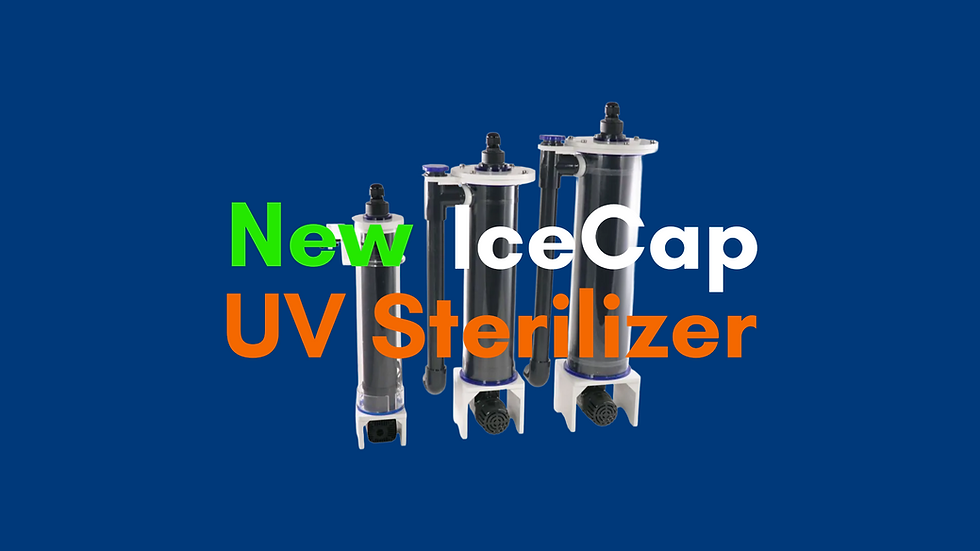
A UV sterilizer, if you are running a busy fish-only system or fighting recurring water cloudiness
A controller or leak sensor, which matters most on larger volumes and on upper floors
Some of this list will never apply to you, and that is the point of holding it back. A lightly stocked forty-gallon community tank may run for years on a heater, a filter and a schedule. A hundred-gallon mixed reef will use most of the list within a year. Buying the same box of equipment for both is how a beginner ends up with an expensive shelf of hardware. If you want to compare options in person, our team at the aquarium shop in Wheeling will talk you out of things as readily as into them.
Aquarium supply checklist items you can usually skip
A few products persist because they sell well rather than because they work well. pH adjusting chemicals are the clearest example: chasing a number with buffers usually produces a swing that stresses fish more than the original reading ever did. Stable and slightly off is better than perfect and moving. Match your stock to your tap water instead, which for most Chicago-area homes means fish that tolerate moderately hard water comfortably.
Stick-on LCD thermometer strips as your only temperature reading, since they lag the water badly
Swing-arm hydrometers for saltwater, which drift with temperature and trapped bubbles
Continuous ammonia-locking products during a fishless cycle, which slow the process you want
Daily multivitamin and trace additives dosed without any testing to justify them
Undersized all-in-one bowls and starter kits, which are harder to keep stable than a larger tank
None of these are dangerous, and a couple have narrow legitimate uses. Ammonia binders are genuinely useful in an emergency, such as a spike in a stocked tank while you sort out the cause. Trace element dosing makes sense in a mature reef where testing shows depletion. What they should not be is a default purchase in week one, bought because they were on the shelf beside something you actually needed and the box made a confident claim.
Key takeaways
Sort every purchase into buy now, buy in month two, buy later, and never needed before spending anything.
Day one is short: tank and stand, heater and thermometer, filter, conditioner, substrate, a liquid test kit and cleaning tools.
Saltwater adds salt mix, a refractometer, a powerhead and reverse-osmosis water, with 1.024 to 1.026 specific gravity as the target.
Quarantine gear is the most-skipped item on any aquarium supply checklist and the cheapest insurance you can buy.
Hold lighting upgrades, dosing and controllers until month two, when your stocking tells you what you actually need.
Frequently asked questions
Can I buy the whole aquarium supply checklist in one trip?
You can, but you will spend money on guesses. Day-one items are worth buying together so the tank can run properly from the start. Everything after that benefits from a few weeks of watching your own system, because your stocking, your tap water and your room temperature all change what the right answer is.
What purchase do beginners most regret skipping?
A liquid test kit, followed closely by a quarantine setup. Test strips are convenient but coarse, and during cycling you need to see ammonia and nitrite move in small increments. Without real numbers you are guessing at the single most important thing happening in the tank during its first six weeks.
Do I need reverse-osmosis water from day one?
For a reef, effectively yes, because tap water carries phosphate, silicate and nitrate that feed algae. For most freshwater community tanks, conditioned tap water is fine and often better, since it supplies minerals your fish and plants use. Buy purified water for saltwater and skip it for a standard community tank.
Work with Marine Concepts Inc
Bring us your tank dimensions and a rough idea of what you want to keep, and we will build the day-one list with you rather than selling you the whole wall. Salt, test kits, media, food and livestock are all available for same-day pickup at Marine Concept Supply, our aquarium shop in Wheeling, IL, and the same range is listed online at marineconceptsupply.com if you would rather order ahead.


Comments