
Aquarium Equipment Maintenance: Pumps, Heaters, Skimmers
Most aquarium owners maintain the water and forget the machines that keep it alive. That works until a return pump seizes, a heater sticks on or a skimmer slowly stops pulling waste. Aquarium equipment maintenance is the part of a service routine nobody sees, and it is the part that prevents the most emergencies.
This guide covers the equipment we clean, inspect and replace on maintenance visits around Wheeling and the north suburbs, with practical intervals for each.
Why Equipment Fails Slowly, Then Suddenly
Aquarium equipment rarely dies without warning. Pumps lose flow as calcium and biofilm build up inside. Heaters drift out of calibration. Skimmers produce less waste as the pump impeller wears. Each change is small, so it is easy to miss until one day the equipment cannot keep up and the tank pays for it.
A regular inspection catches the slow decline before it becomes the sudden failure.
Return Pumps and Powerheads
Pumps move all the water in the system, so they deserve the most attention.
Clean intake screens and sponges every visit or every couple of weeks.
Disassemble and clean the impeller and housing every three to six months. Saltwater pumps build up calcium deposits that a soak in a mild vinegar or citric acid solution removes. Rinse thoroughly in fresh water before reinstalling.
Listen for grinding, rattling or humming that was not there before.
Check that flow looks the same as it did after the last cleaning.
For more on how flow is set up in the first place, see our write-up on the IceCap FP-200 flow pump.
Heaters
Heater failure is one of the most damaging equipment problems because it can go two ways: stuck off, and the tank chills, or stuck on, and the tank cooks.
Compare the heater setting against an independent thermometer every visit.
Inspect the glass or casing for cracks and the cord for damage.
Wipe off any coating of algae or mineral buildup.
Consider using a temperature controller so a stuck heater is cut off automatically.
Many professionals replace heaters on a schedule rather than waiting for failure. Ask your service provider what interval suits your setup.
Protein Skimmers
A skimmer that is not producing dark, dry foam is not doing its job.
Empty and rinse the collection cup weekly, or more often on heavily fed tanks.
Wipe the skimmer neck so foam can climb.
Clean the pump and venturi or air intake every few months.
Re-tune after cleaning, since a clean skimmer often runs wetter for a day or two.
Our reef aquarium maintenance guide covers skimmer tuning in more detail.
Filters and Media
Filter socks and pads should be changed or rinsed frequently, often every few days to weekly, because trapped debris breaks down and adds nutrients.
Carbon and chemical media lose effectiveness over time and should be replaced on a schedule.
Biological media should be rinsed gently in tank water, never tap water, so beneficial bacteria survive.
Canister filters need their seals and hoses checked for wear every time they are opened.
Auto Top-Off Systems
An ATO prevents salinity swings, but a stuck ATO can flood a tank with fresh water.
Clean optical or float sensors so they read correctly.
Confirm the backup or failsafe switch works.
Check the reservoir and tubing for algae and leaks.
UV Sterilizers
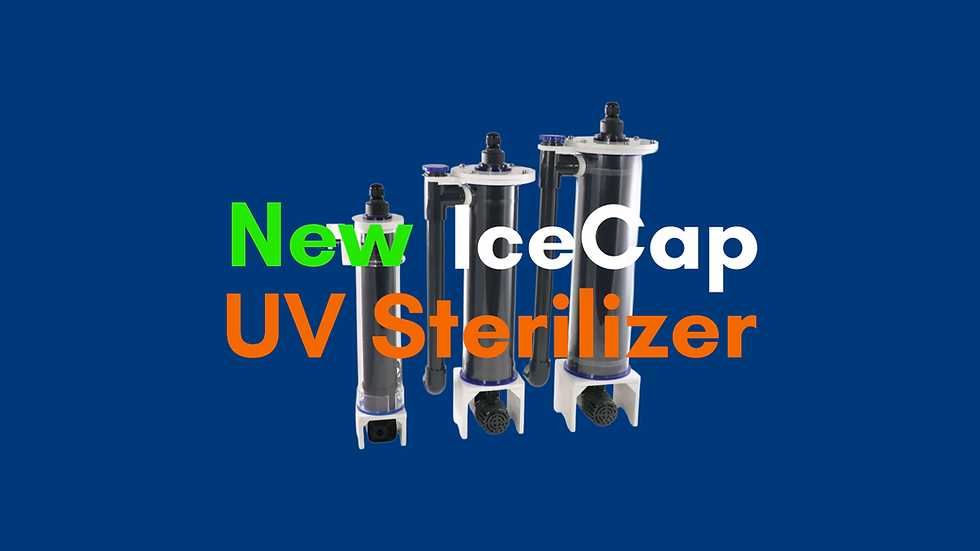
UV bulbs lose output long before they stop glowing. Replace bulbs on the manufacturer's schedule and clean the quartz sleeve so light reaches the water. Our post on the IceCap UV in-sump sterilizer explains how flow rate and bulb life change results.
Lighting
Wipe salt creep and dust from LED fixtures and lenses.
Check that cooling fans run quietly.
Confirm timers and schedules have not reset after a power interruption.
Electrical Safety
Every equipment check should include the power side.
All aquarium equipment plugged into GFCI-protected outlets.
Drip loops on every cord.
Power strips mounted above the floor and away from splashes.
No salt creep on plugs, outlets or controllers.
A Simple Equipment Schedule
Every visit: intakes, filter socks, skimmer cup, heater temperature check, visual inspection of cords.
Monthly: ATO sensors, light fixtures, canister seals.
Every three to six months: full pump cleaning, skimmer pump cleaning, chemical media replacement.
Yearly or per manufacturer: UV bulbs, heater review, controller and probe calibration.
Key Takeaways
Equipment declines gradually, so regular inspection prevents sudden failures.
Pumps and skimmers need periodic deep cleaning to remove calcium and biofilm.
Heaters should be checked against an independent thermometer every visit.
Electrical safety belongs in every maintenance routine.
Frequently Asked Questions
How often should I clean my aquarium pump?
Clean the intake often, and fully disassemble and clean the pump every three to six months, depending on how quickly buildup forms.
How do I know my heater is failing?
Temperature that drifts away from the set point, a cracked casing or a heater light that stays on constantly are all warning signs.
Does Marine Concepts include equipment checks in maintenance?
Yes. Equipment inspection is part of our regular maintenance visits for freshwater, saltwater and reef systems.
Work with Marine Concepts
Our technicians service equipment on tanks across Wheeling, Glenview, Northbrook, Arlington Heights and nearby suburbs, and replacement parts are available at our Wheeling shop. Request a maintenance quote or call 847-344-2422.


Comments